
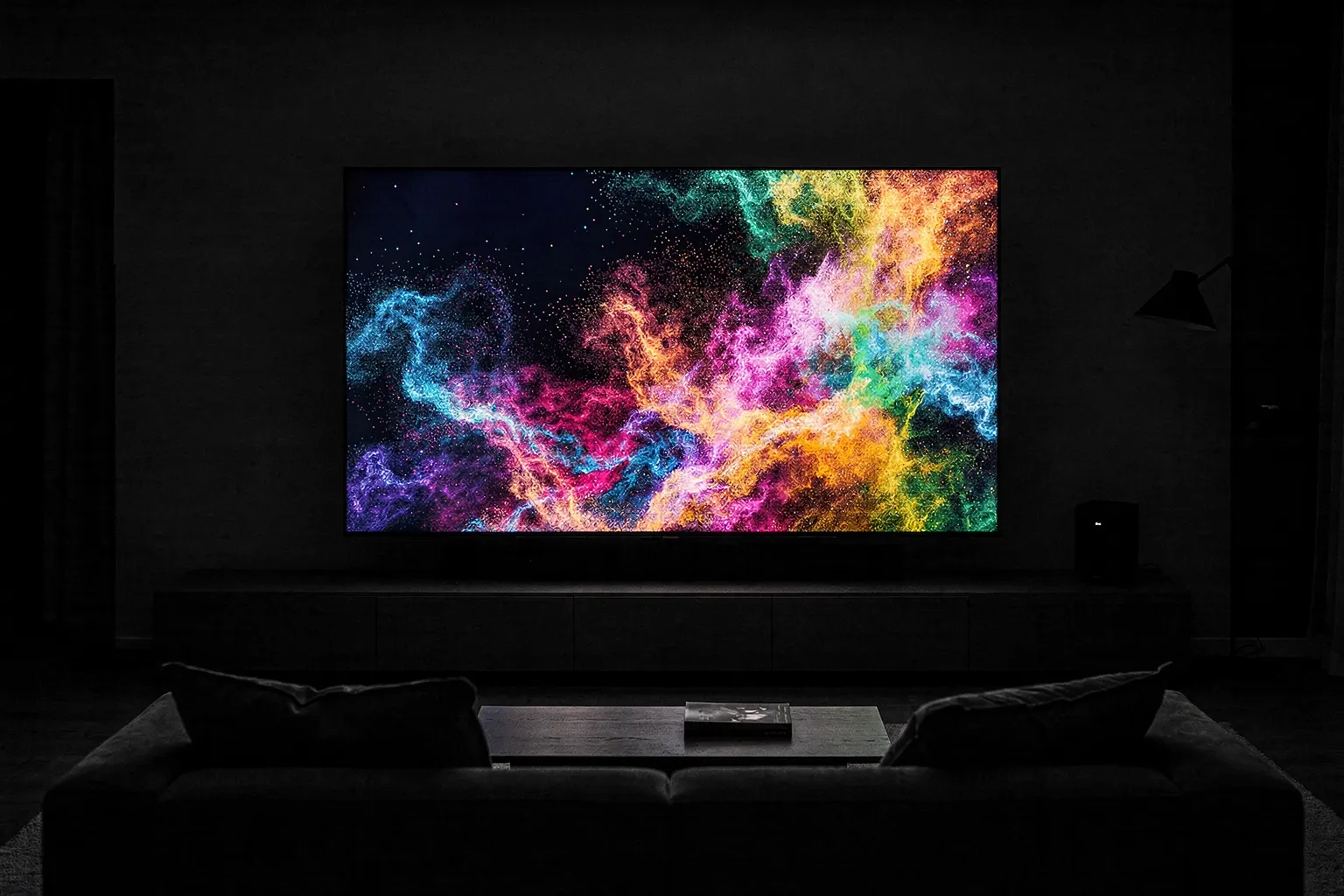
Micro RGB was the big TV story of CES 2026. Samsung, LG, Sony and Hisense all bet on this backlighting technology, which promises richer colour than anything the market has offered so far. But behind the similar-sounding brand names, what is really going on?
If you're thinking about replacing your TV in the coming months, this guide will help you understand the technology, compare it with OLED and Mini-LED, and decide whether it's worth the price.
How a micro RGB TV works
A micro RGB TV is still an LCD TV. The difference lies behind the panel, in the backlight.
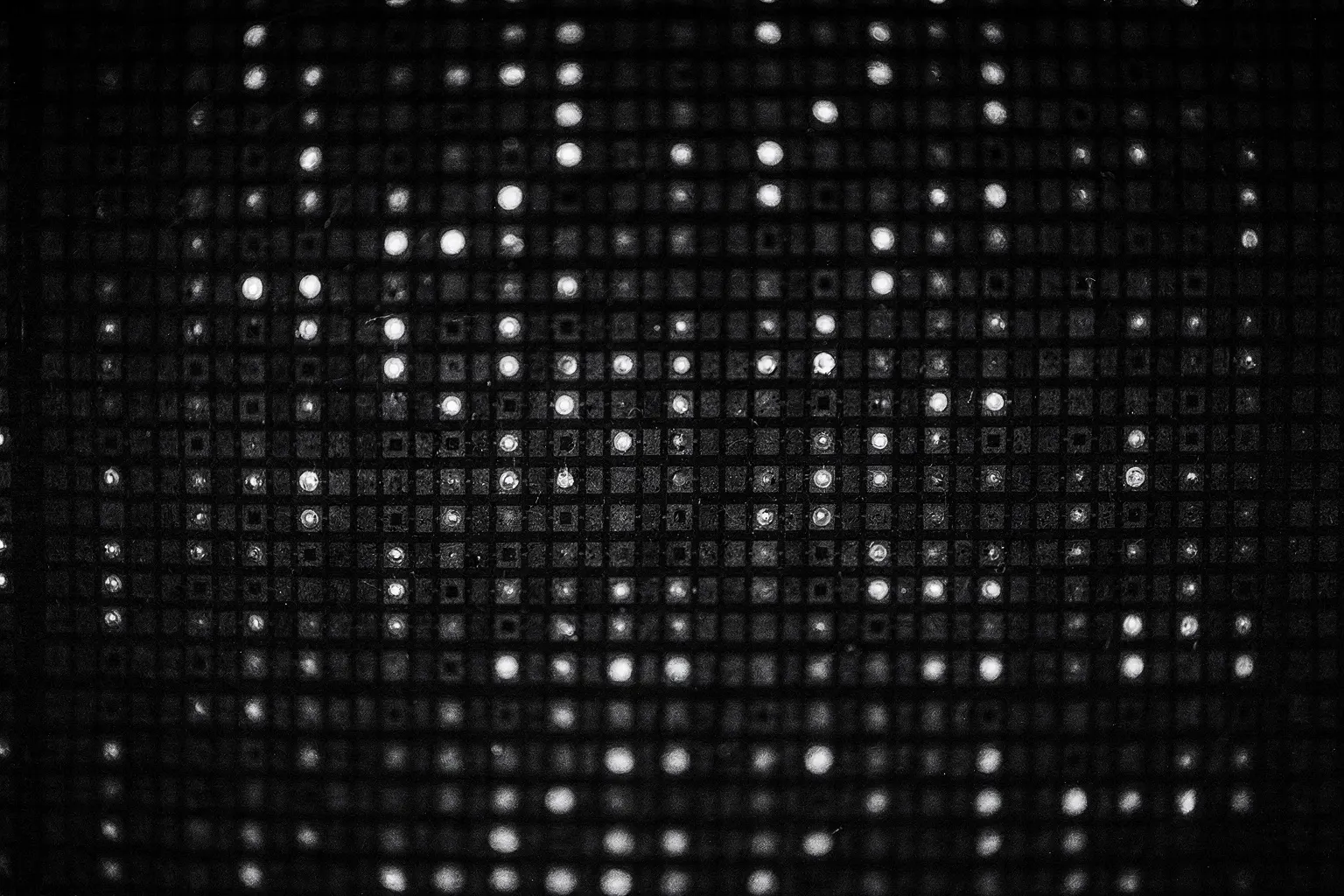
On a conventional LCD TV, white or blue LEDs light up the screen, and filters and conversion layers then create the colours. With micro RGB, the backlight is made up of thousands of tiny red, green and blue LEDs that each emit their own colour directly.
Why "micro"?
The term refers to the size of the LEDs. At Samsung and LG, each diode measures less than 100 microns, or less than a tenth of a millimetre. This miniaturization lets them be packed very densely and controlled with much finer precision.
As this Futura feature on CES 2026 screens explains, dropping white or blue backlighting in favour of coloured LEDs is the real technological leap of this generation.
What it changes on screen
In theory, this coloured backlight offers three main advantages:
- A wider colour volume, especially in very bright scenes
- Less colour bleed between areas of the image
- High brightness with controlled energy consumption
LG claims its model covers 100% of the BT.2020, DCI-P3 and Adobe RGB colour spaces. Samsung also claims full BT.2020 coverage, a first according to the manufacturer.
Micro RGB, Micro LED, Mini-LED, a very real confusion
This is probably the most confusing point for consumers. Manufacturers agree neither on the name nor, sometimes, on the size of the diodes.
| Manufacturer | Brand name | Key feature |
|---|---|---|
| Samsung | Micro RGB | LEDs under 100 microns, 55 to 130 inches at CES |
| LG | Micro RGB evo | The brand's first model, positioned below its OLEDs |
| Sony | True RGB | Trademark registered in Canada and Japan, among others |
| Hisense | RGB Mini-LED | Slightly larger LEDs, pioneered the category in 2025 |
Don't confuse it with Micro LED
Micro LED is a completely different technology. Each pixel produces its own light, with no LCD panel, much like OLED. It delivers exceptional contrast, but its manufacturing costs still limit it to prohibitively expensive screens.
Micro RGB, on the other hand, remains an improved LCD. It can't turn each pixel off completely, which is still OLED's main advantage for deep blacks.
Standout models shown at CES 2026
Samsung made a big splash with the R95H, shown at the event in a 130-inch size, a record for this technology according to the manufacturer. The lineup comes in two series, R95H and R85H, from 55 to 115 inches.
LG unveiled its very first model, the Micro RGB evo (MRGB95), announced in 75, 86 and 100 inches. The manufacturer positions it as its most premium LCD, while keeping OLED at the top of its lineup.
Sony confirmed its entry into the category under the name "True RGB," while Hisense, which launched the category at CES 2025, expanded its RGB Mini-LED lineup.
Why everyone is jumping in now
For the Korean manufacturers, the stakes go beyond picture quality. Chinese brands have closed much of the gap in Mini-LED, at very aggressive prices. Micro RGB lets Samsung and LG create a new premium tier and protect their margins.
Processors also play a key role. Samsung developed a dedicated AI engine, the Micro RGB AI Engine Pro, which adjusts colour, contrast and motion in real time. To better understand how AI is making its way into everyday devices, these articles on artificial intelligence are a good place to start.
How much does a micro RGB TV cost?
The first prices are now known. According to SamMobile, which detailed the U.S. launch, Samsung's 2026 lineup has been available in the United States since April, starting at US$1,599 for the 55-inch R85H.
The 85-inch R95H flagship climbs to US$6,499. The R95H offers a 165 Hz refresh rate, compared with 144 Hz for the R85H, a detail gamers will appreciate.
Canadian prices vary by retailer and exchange rate. It's a good idea to compare in-store and online offers before you buy.
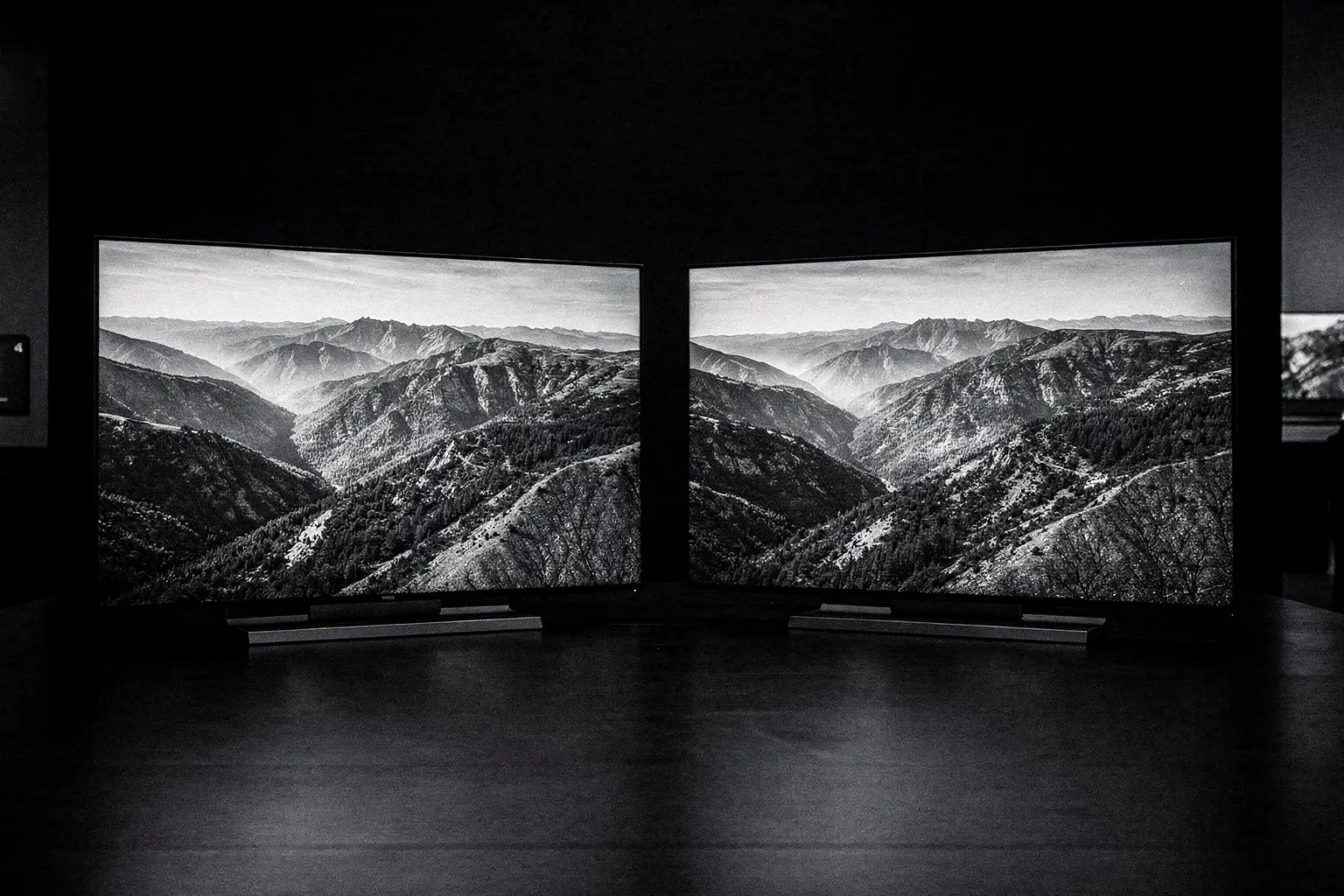
Should you choose micro RGB or OLED?
The answer depends mostly on your room and your viewing habits.
Micro RGB is a good fit if...
Your living room is very bright, with large windows. Micro RGB's high brightness makes a real difference there. It's also worth a look if you want a very large screen, since 85-inch and larger sets are generally more affordable in LCD than in OLED.
OLED is still relevant if...
You mostly watch movies in the evening, in a dark room. OLED's perfect blacks and contrast remain hard to beat in those conditions. Independent testing over the coming months will also show whether the colour promises hold up with real-world content.
A question of content
One point deserves nuance: most current movies and series don't yet use the full BT.2020 colour space. Early tests of the R95H suggest, however, that its image processing also improves standard content. So the gain will be visible, but not always as spectacular as in-store demos.
Conclusion
Micro RGB emerged at CES 2026 as the new benchmark for premium LCD. Its miniaturized red, green and blue LEDs deliver unprecedented colour volume and brightness that's ideal for bright rooms, though they still can't match OLED's perfect blacks. With prices starting to come down and competition heating up, the technology could become mainstream quickly. Before you shop for your next TV, check out these practical guides on new technologies to make an informed choice.
Frequently asked questions
What is micro RGB technology?
Micro RGB is a backlighting technology for LCD TVs that replaces white or blue LEDs with thousands of tiny red, green and blue LEDs. At Samsung and LG, each diode measures less than 100 microns. This approach produces colour directly at the source, which widens the colour volume, reduces light bleed between zones and allows for high brightness.
What is the difference between micro RGB and Micro LED?
Micro RGB is still an LCD TV: its coloured LEDs serve only as a backlight behind the panel. Micro LED, by contrast, uses no LCD panel at all, since each pixel emits its own light. It offers contrast comparable to OLED, but its very high manufacturing cost still limits it to luxury screens. The two names sound alike, but the technologies are quite distinct.
Is an RGB TV better than an OLED?
It all depends on your viewing environment. In a very bright living room, an RGB TV benefits from its superior brightness and more vibrant colours. In a dark room, OLED keeps the edge thanks to its perfect blacks and pixel-level contrast. For very large screens, RGB technology can also prove more affordable. Ideally, compare the two side by side in store.
Are RGB TVs available in Canada?
Samsung's 2026 lineup launched first in the United States in April, then in other markets over the spring. In Canada, availability, sizes and prices vary by manufacturer and retailer. It's a good idea to check directly with the official Samsung, LG, Sony and Hisense Canada websites, or with major electronics retailers, before planning a purchase.