
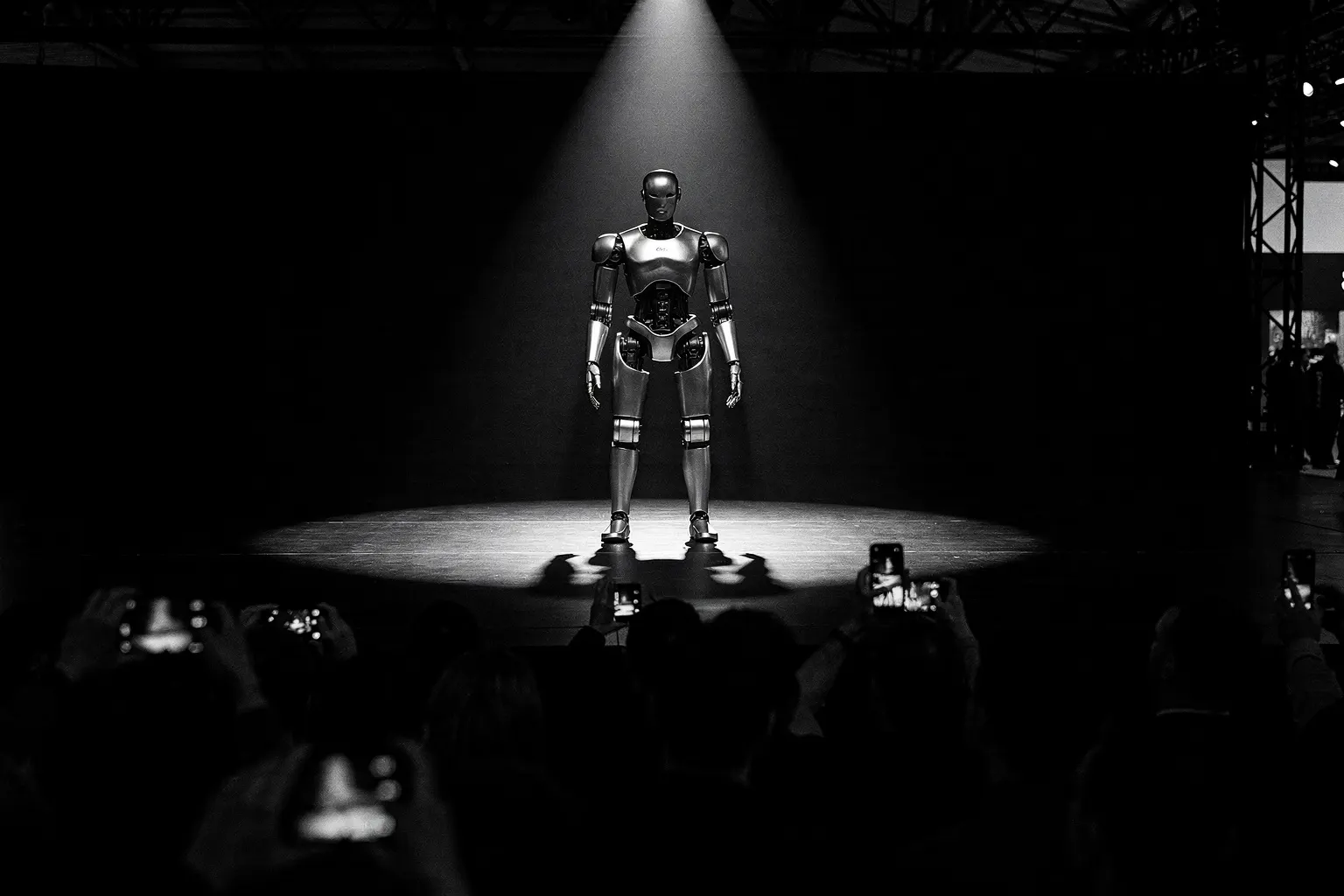
Humanoid robots stole the show at CES 2026 in Las Vegas, and this time it wasn't just about flashy demos. Production-ready machines, factory contracts and robots designed for the home took over the show floor. What should you take away from these announcements, and more importantly, what will actually arrive in the next few years?
This article separates the promises from the concrete commitments. You'll find the standout models, what they can really do, their current limits and a realistic adoption timeline.
Why humanoid robots dominated CES 2026
For years, the humanoids at CES looked like carefully choreographed lab prototypes. The 2026 edition marked a break: several manufacturers showed machines built to work, not just to impress.
The show's official directory listed 38 companies in the humanoid robotics category. A good share came from China, South Korea and Europe, a sign of fierce global competition.
Physical AI, the real driving force
The common thread running through these announcements has a name: physical AI. In other words, artificial intelligence models that can perceive a real environment, understand an instruction and act using arms, hands and legs.
The major chipmakers also made robotics a central selling point. Nvidia showcased its humanoid partners during its keynote, while Qualcomm introduced a platform for industrial and humanoid robots.
Boston Dynamics' Atlas moves from the lab to the factory
The most anticipated presentation came from Hyundai and its subsidiary Boston Dynamics. The automaker unveiled the production version of the new, fully electric Atlas during its first public appearance on stage.
The announced specs give you a sense of how mature the project is:
- 56 degrees of freedom and fully rotational joints
- A lifting capacity of up to 50 kg
- An operating range of -20 °C to 40 °C
- Cameras all around the head for 360-degree vision
- Hands equipped with tactile sensors
A partnership with Google DeepMind
The most significant announcement, however, was about software. Boston Dynamics entered a research partnership with Google DeepMind to integrate Gemini Robotics foundation models into Atlas.
In practical terms, the goal is to let the robot learn new tasks rather than only follow pre-programmed instructions. Boston Dynamics' Orbit software is also meant to let robots in the same fleet share the skills they acquire.
A gradual rollout schedule
Boston Dynamics isn't promising an all-purpose robot overnight. All of its 2026 production is already reserved for Hyundai's robotics application centre (RMAC) and Google DeepMind. Other customers are planned starting in 2027.
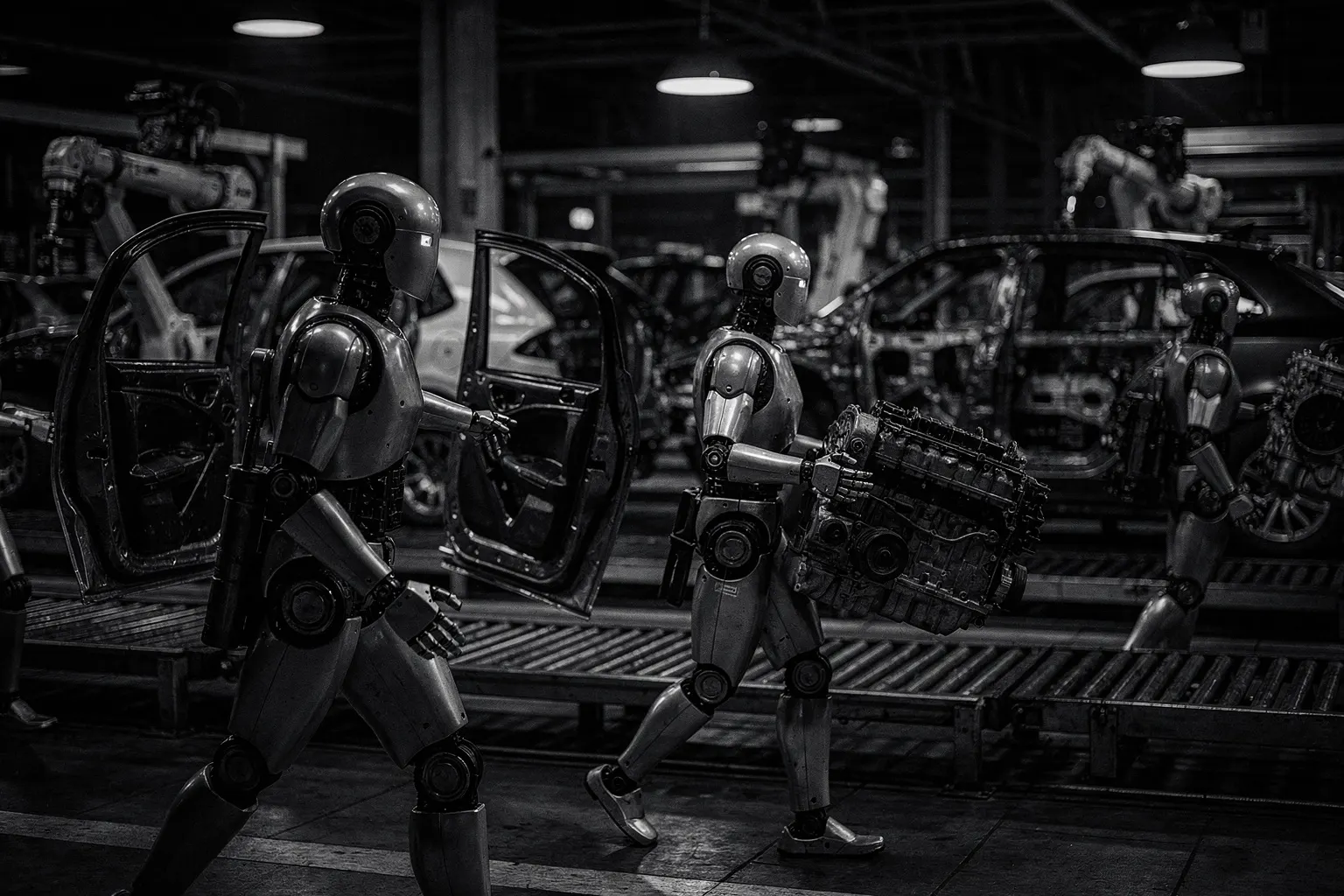
In Hyundai's plants, Atlas is set to start with automotive parts sequencing, a repetitive and well-defined task, beginning in 2028. Over the longer term, Hyundai also mentions uses in construction, energy and building management.
LG's CLOiD, the home robot of the "zero labour home"
On the home front, LG made headlines with CLOiD, a robot presented as the centrepiece of its "Zero Labor Home" vision. The idea: hand off repetitive household chores to a machine so the people living there get time back.
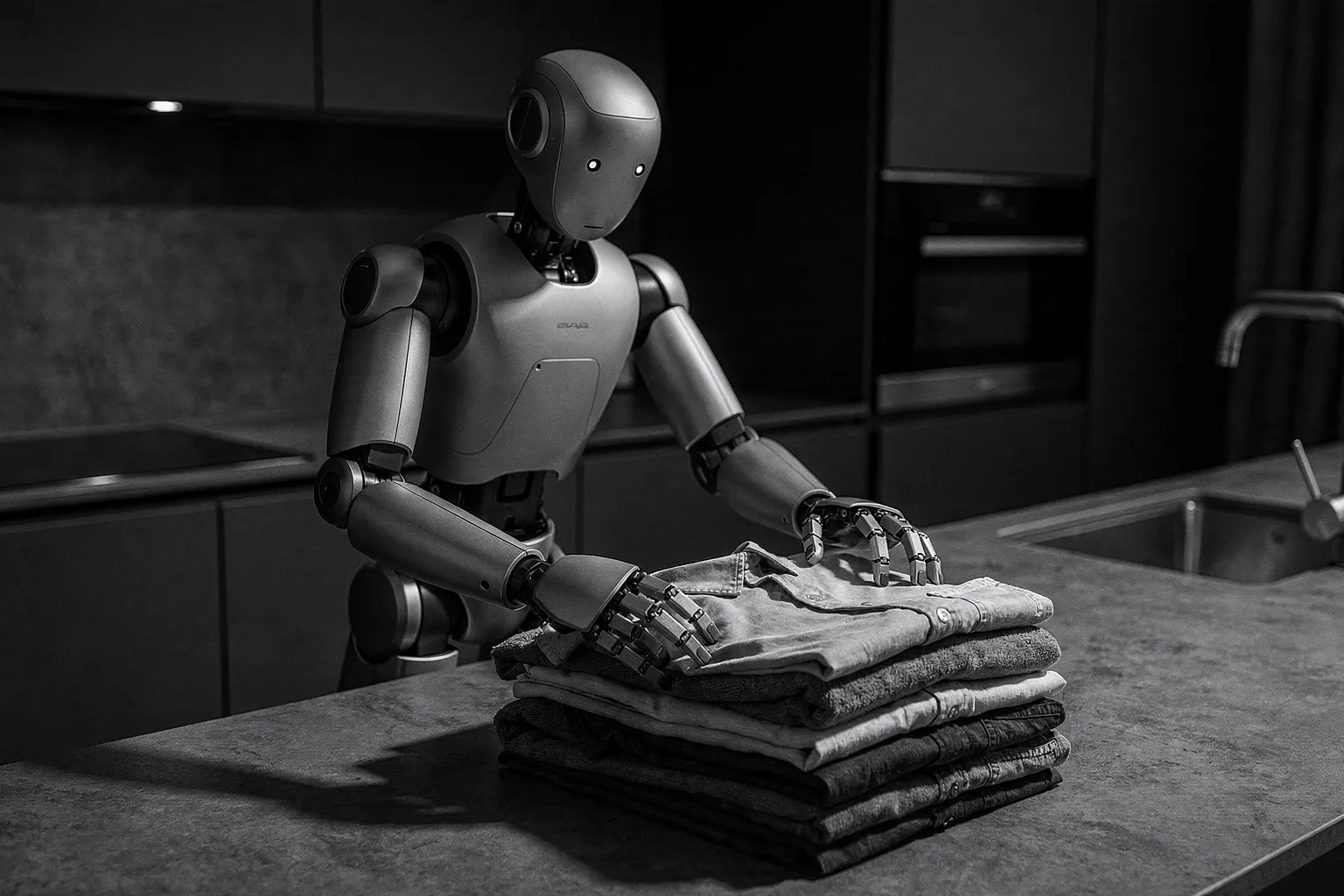
According to LG's official announcement of the CLOiD robot, the device combines a head that acts as a mobile smart home hub, a torso with two articulated arms and a wheeled base that can navigate autonomously.
What CLOiD can do, for now
At the show, LG showed CLOiD preparing breakfast, including taking milk out of the fridge and putting a croissant in the oven. The robot was also shown folding laundry.
Each arm has seven degrees of movement and each hand has five fingers, allowing for more delicate gestures than most current home robots. The concept's real strength lies in its integration with the ThinQ ecosystem: CLOiD can coordinate the connected appliances in your home.
Limits to keep in mind
Observers noted that the demos remained slow and carefully controlled. LG didn't announce a price or a release date at the show. So you should think of CLOiD as a technology showcase rather than a product to shop for any time soon.
What other models stood out at the show?
Atlas and CLOiD weren't alone. Several manufacturers used CES to introduce their humanoids to a North American audience.
| Robot | Manufacturer | Intended use | Status announced at CES 2026 |
|---|---|---|---|
| Atlas | Boston Dynamics (Hyundai) | Factory, logistics | In production, 2026 units already reserved |
| CLOiD | LG Electronics | Household chores | Demo, no price announced |
| G1, H2 and R1 | Unitree Robotics | General purpose | Full lineup on display |
| 4NE1 (3rd generation) | NEURA Robotics | General purpose | New version unveiled |
| T800 | EngineAI | General purpose | Presented at the show |
This snapshot reveals a clear split in the market. On one side, industrial robots are moving fast because factories offer a controlled setting and a measurable return on investment. On the other, home robots still have to deal with the variety of homes, objects and the unexpected.
To keep up with these advances without getting lost in the hype, in-depth analyses of artificial intelligence help you tell solid announcements apart from mere stagecraft.
When will you see a humanoid robot at home?
That's the question everyone is asking. The honest answer: not for several years for most households.
Three obstacles are still slowing the arrival of humanoids in homes:
- Price: even industrial models sell for tens of thousands of dollars
- Reliability: a home is an unpredictable environment, with kids, pets and fragile objects
- Safety and privacy: a camera-equipped robot moves through the most private rooms of your home
For reference, German manufacturer igus announced a humanoid billed as affordable, the Iggy Rob, priced at US$54,500. That's still a far cry from the price of an appliance, even a high-end one.
The factory first, the living room later
The most likely scenario mirrors that of many technologies: adoption starts in industrial settings, where costs are easier to justify. Production volumes rise, prices drop, then the technology moves into service businesses and finally to consumers.
Hyundai and Boston Dynamics are in fact planning a factory capable of producing 30,000 humanoids a year. That kind of scale is exactly what could bring costs down in the medium term.
What these announcements change right now
Even if you won't be buying a humanoid robot this year, the CES 2026 announcements have concrete spinoffs. Advances in computer vision and object manipulation are already showing up in more modest products, like robot vacuums that can recognize obstacles or appliances that talk to each other.
For Quebec manufacturers, the question is becoming strategic. The first Atlas deployments will serve as a test bed for the entire industry. The results at Hyundai will show whether humanoids can truly complement traditional robotics, which is often fixed and specialized.
Finally, the strong presence of Chinese manufacturers points to a price war, as we've seen with drones and electric vehicles. Future editions of CES will tell whether this competition speeds up the arrival of more affordable models.
Conclusion
CES 2026 marked the humanoid robot's shift from demo to product. Atlas is entering production on a clear schedule, while CLOiD shows what home assistance could become once costs and reliability are under control. For now, the factory remains these machines' first playground, and the home will have to wait a few more years. To dig deeper into these topics and understand the technologies reshaping everyday life, check out the practical guides on new technologies.
Frequently asked questions
What is a humanoid robot?
A humanoid robot is a machine whose shape mimics the human body, with a head, a torso, arms and sometimes legs. This build lets it move through spaces designed for people and use the same tools, handles or stairs. Recent models rely on artificial intelligence to perceive their surroundings, understand instructions and gradually learn new tasks.
How much does a humanoid robot cost in 2026?
Prices vary depending on the intended use. Industrial models like Atlas aren't sold to the general public, and their prices aren't publicly disclosed. For comparison, manufacturer igus announced the Iggy Rob at US$54,500, a price described as affordable for the sector. Home robots like LG's CLOiD don't have an official price yet, which reflects how experimental they still are.
Is LG's CLOiD robot available in Canada?
As of CES 2026, LG had announced neither a price nor a release date for CLOiD, whether in Canada or elsewhere. The robot was presented as a demonstration of the company's "Zero Labor Home" vision. You're better off watching for official announcements from LG Canada before considering a purchase, since a commercial launch could still take several years depending on progress.
Will humanoid robots replace workers?
In the short term, manufacturers instead present humanoids as co-workers handling repetitive, heavy or strenuous tasks. At Hyundai, Atlas will start with parts sequencing, a well-defined task. Their cost, still-limited speed and need for supervision are holding back large-scale replacement. The real impact on jobs will depend on how quickly prices fall and how much their learning abilities improve.